Empty space
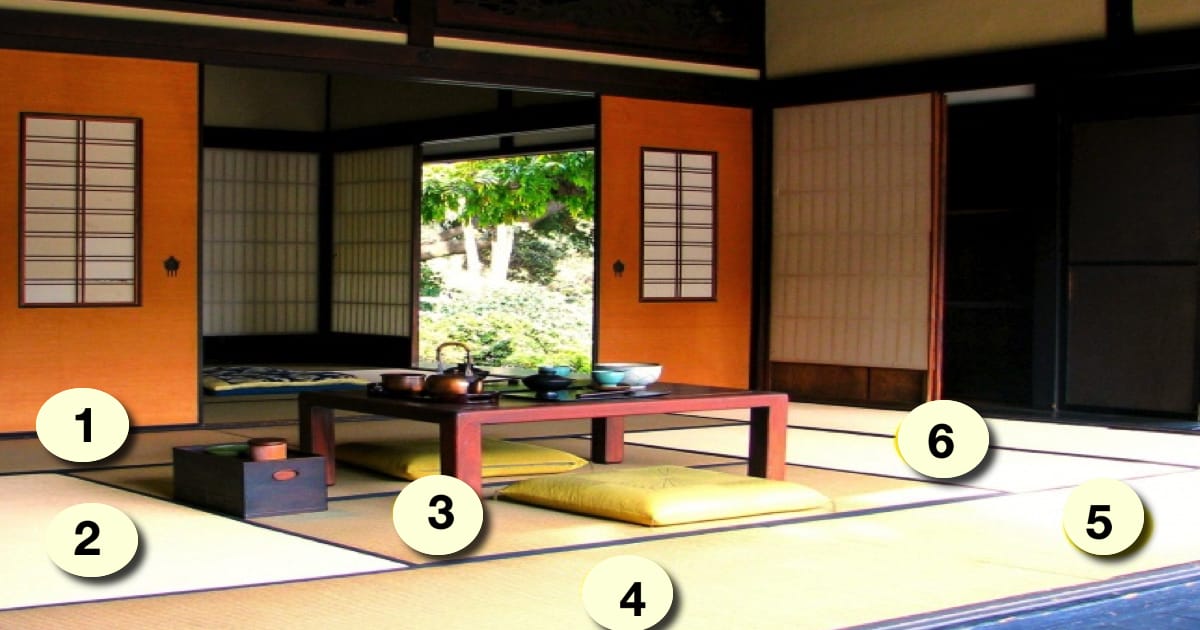
Unlike the others, Japanese people don’t really fill their homes with furniture, they like minimalism and the only thing that they have on their floor is a tatami. If you're wondering what a tatami is, let us clear it for you. It is a traditional mat which is made of straw, but it is also a unit of measurement for the area. Fun fact: and average Japanese Room can fit 6 tatami mats. Some other furniture that they add is a wooden table with cushions for sitting, a dresser, and several futons and some cotton mats which they fold and store in the other closet in the day time. These closet match the walls so that doesn’t distract the attention. The whole reason for the empty space is to clean efficiently and easily.
Universality
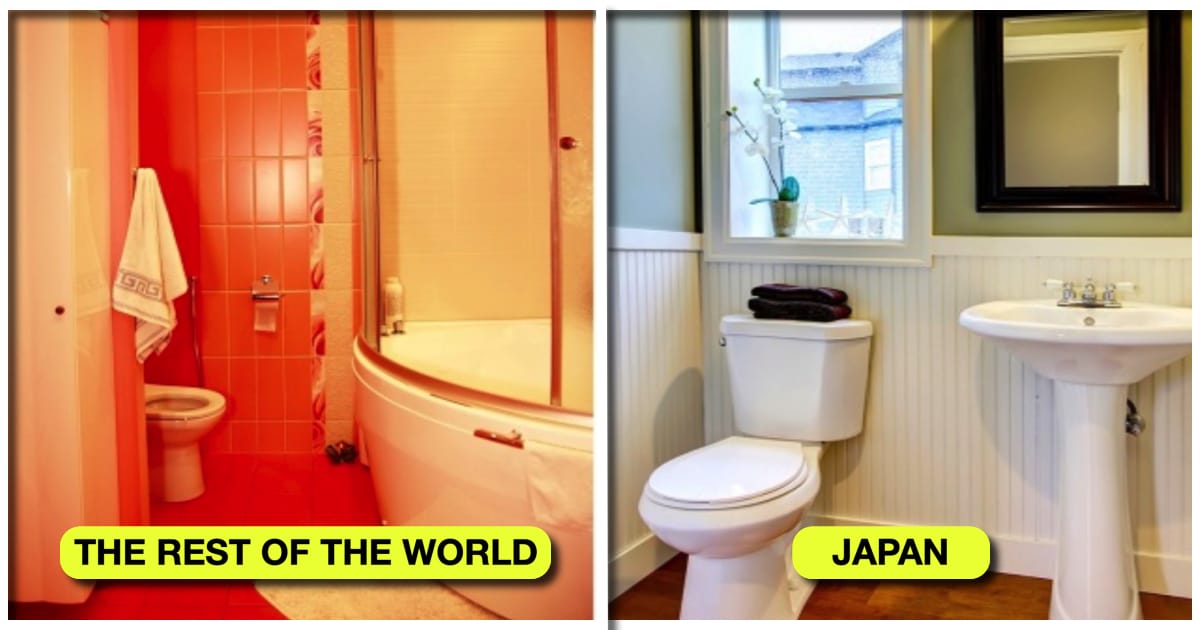
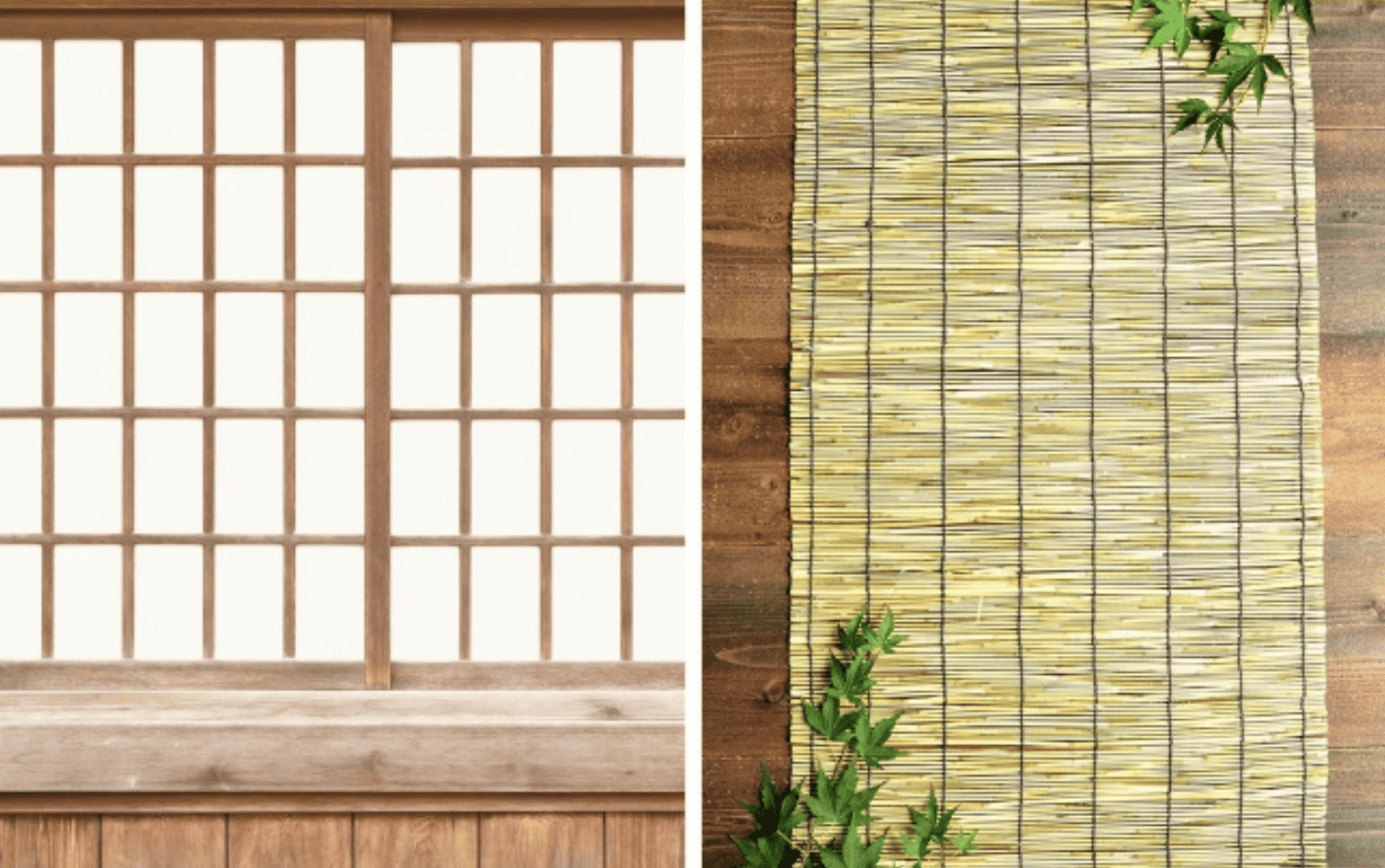
Japanese homes have no walls, instead, they have sliding doors to divide the room, which is known as fusuma. It is made of bamboo bars and rice paper. These light sliding doors can be easily moved or taken off which makes it easier to change the layout of the house. They follow a rule, that a bath and a toilet are placed in different rooms and not together and even the bathroom takes up 2 rooms. The one includes the sink and a shower and the other has the traditional Japanese bath, Ofuro. The procedure that they follow is, to clean the dirt in the shower and then relax in the hot water in the Ofuro.
Closeness to nature
The usual aspect of the Japanese house is a garden which starts right from the house, only by sliding the panel door, Shoji. They keep the Shoji open whenever the weather is good. Wood, Bamboo, rice paper or cotton is used to be more nature-friendly.
Plenty of sunlight
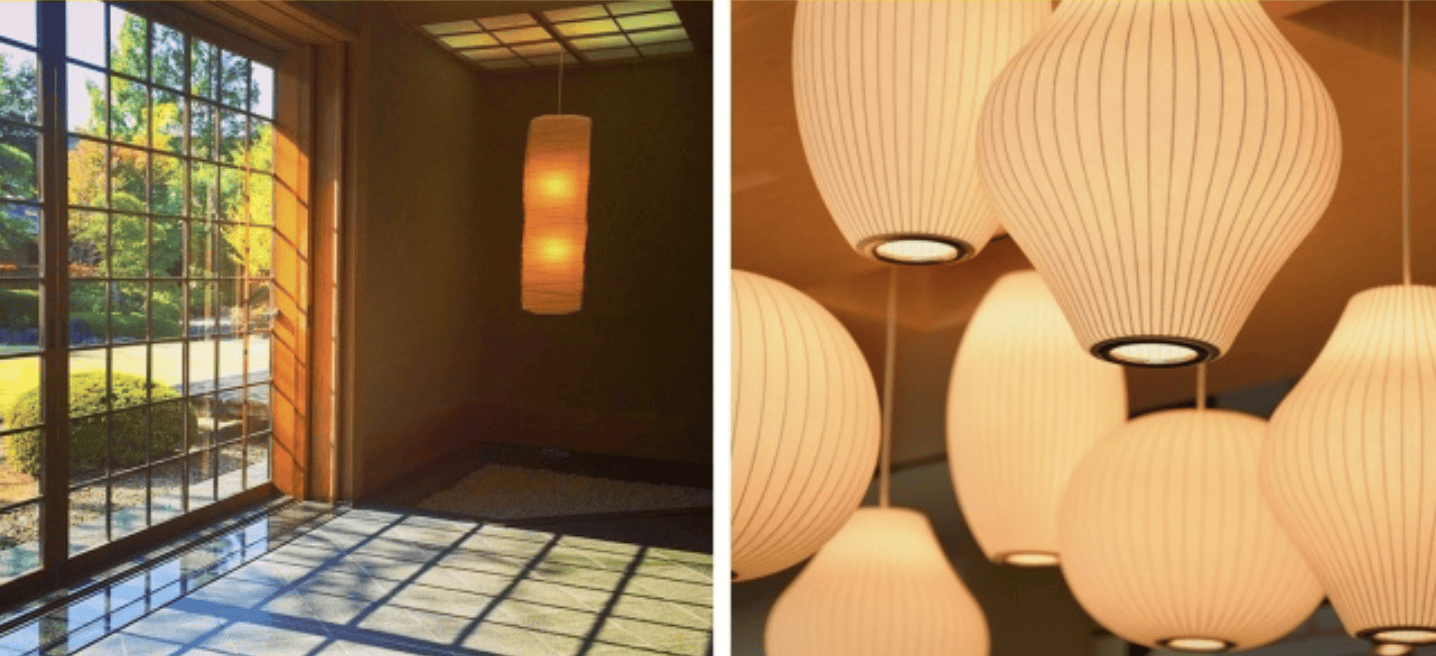
Lightings are also an aspect and so the Japanese prefer more dim lighting that comes to the exterior walls. The lights are actually made of a semitransparent material that dissipates the light through a slatted frame.
Minimalism
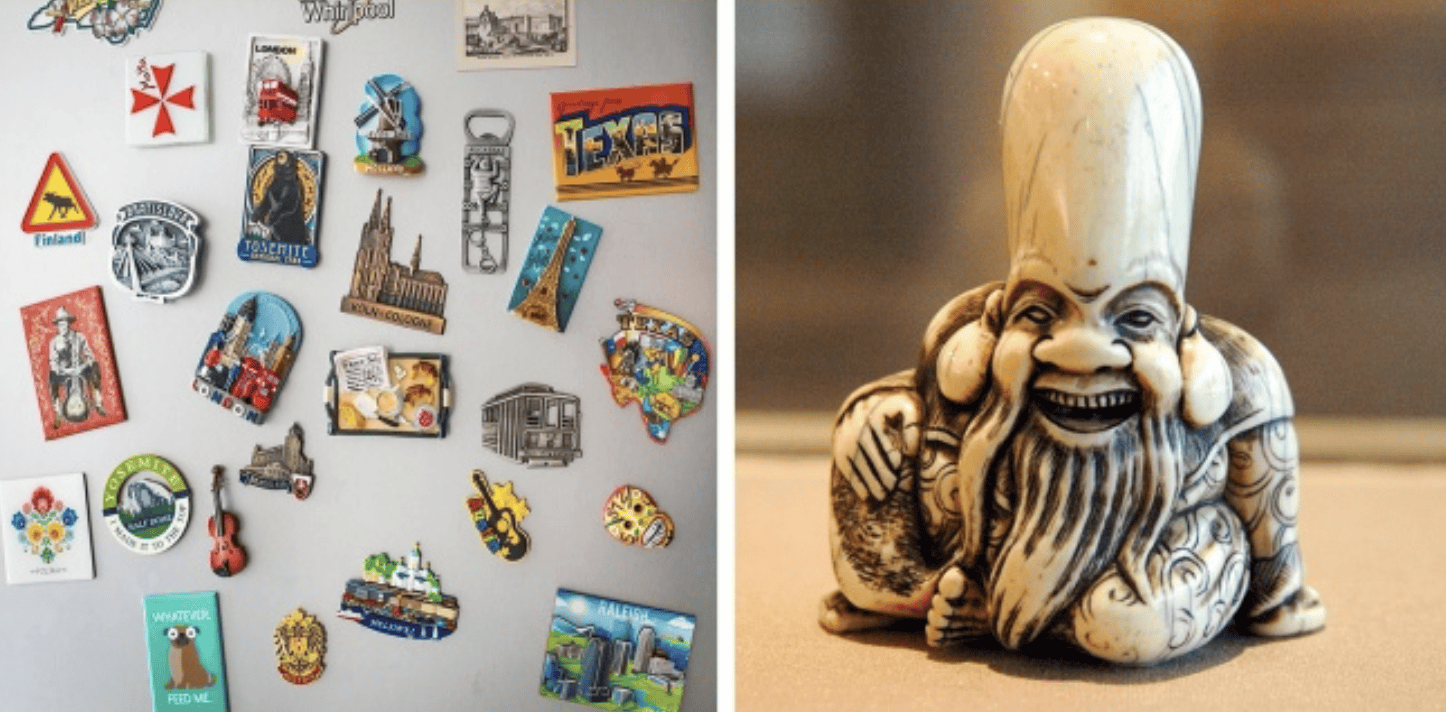
Peaceful beauty is given much preference in the Japanese house and they keep it to minimalism. The Japanese don't use bright colors in their house like the western houses. Only everyday essential furniture is used for daily life. And the decorative things like engravings, miniature sculptures (netsuke), ikebanas, hieroglyph parchments, etc. placed in a place called Tokonoma.