#10. Robotics
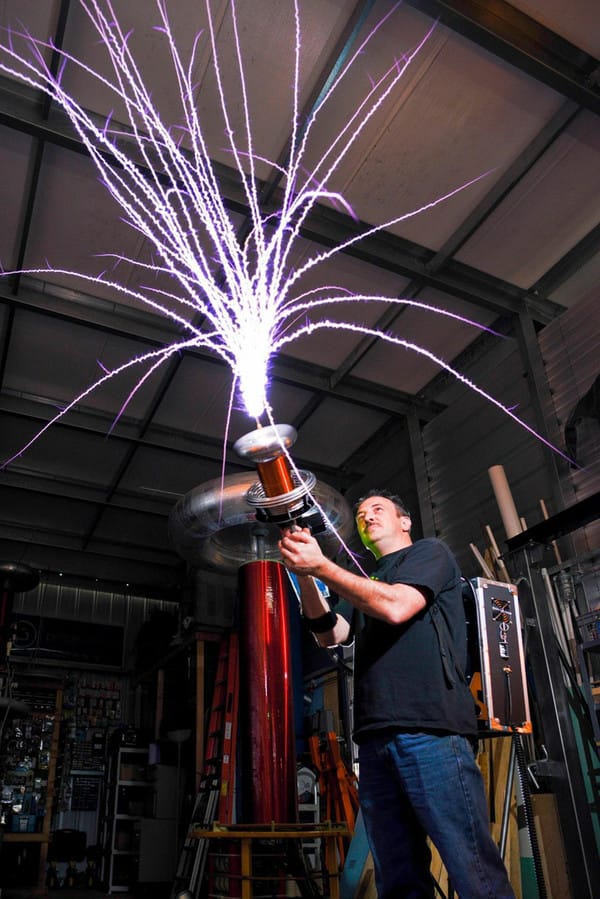
Scientists have been working on robots from while, but in the twenty-first century they really come up with great results. Performing everything from fire-fighting to carpentry, by the end of the century every house will have at least one robot programmed to perform any number of tedious or dangerous chores humans would rather not deal with, and they will be perfect to leave at home to walk the dog and keep an eye on the house when you're away.
#9. Genetic Engineering
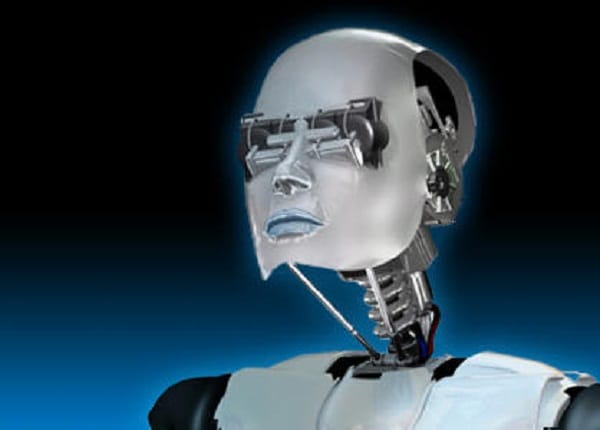
Genetic engineering is the one of the greatest revolution of human race. With help DNA you can choose a better life partner for you. By the end of the century, parents will be able to determine the sex, intelligence, and even hair and eye color of their child while turning off any possibly dangerous genetic defects their offspring might have been in line to inherit.
#8. Hypersonic Transportation
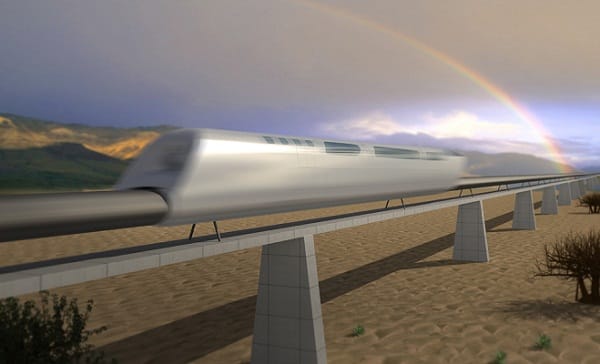
The airplane revolutionized travel in the twentieth century. There is no reason to believe that evolution to ever faster speeds is going to end anytime soon. It is said that by the end of the 19th century, the fastest a man could travel on a regular basis was 60 mph (by train). By the end of the 20th century, that speed had increased ten-fold, to 600 mph(by plane).
#7. Free Energy
Nature has given many sources of energy like oil, natural gas, coal, etc. By the end of the century most of our resources will be end. However, it will come from several sources and in very different ways. Geo-thermal, wind, biomass, clean coal, nuclear and solar energy will be a part of the change, but other more exotic technologies may also emerge.
#6. Artificial Intelligence
Artificial Intelligence makes a robot do daily chores around the house. Artificial intelligence will make machines and robots actually to be capable of learning, planning, deciding, considering, comparing, aligning and even abstract thinking. By the dawn of the twenty-first century your car, your home, or even your artificial mechanical pet (AMP) might be smarter than your brother-in-law.

#5. Nanotechnology
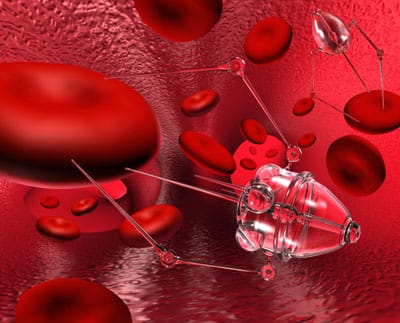
Nanotechnology is a fascinating technology. The microscopically small, self-replicating machines capable of puncturing the walls of a single human cell may well be a reality a few decades from now. The only problem is, what if we can't shut off the technology and pretty soon trillions of tiny nanites infect the entire world? Nah… will never happen…
#4. Human Cloning
Actually, cloning has been known since the twentieth century, so it's nothing really new. You can grow a new one in a flask in a few weeks and then have the old one replaced. Life spans of two or even three hundred years might be within reach through this method, making it a virtual fountain of youth-or at least, a fountain of longevity.

#3. Antigravity
Antigravity is technically not possible, but the creation of monopoles (magnets that have only one pole). Once it is possible, wheels will be a thing of the past as everything will ride on a cushion of magnetic fields, with propulsion being afforded by merely pointing your craft the direction you want to go and letting the magnetic forces of the Earth itself do all the work.
#2. Automation
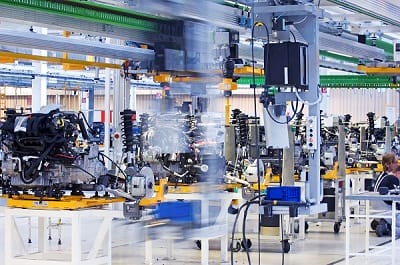
By the end of the 21st century, your house, car, refrigerator, etc. will be smarter than you and capable of carrying out nearly any task you might have in mind. Today most of the manufacturing factories are using automated systems which replaced the human power. Relay, PLC,s and SCADA technology brings new revolution to the industrial world.
#1. Hydrogen Powered Cars
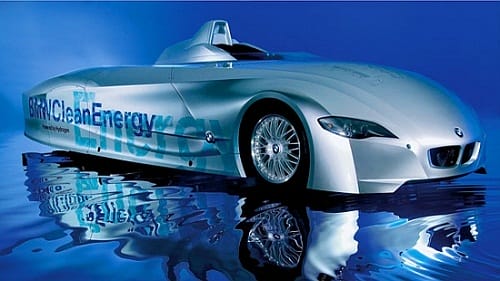
Since people have such a love affair with their automobile, it's hard to imagine the car disappearing anytime soon. Electrical cars and hybrids will be the short-term norm, but they will find considerable competition coming from hydrogen-powered vehicles, that will have the same power as fossil-fuel sucking counterparts but run on hydrogen and leave only water vapor in their wakes.