#9 A Global Emergency
The World Health Organization just declared a global emergency. A virus that has been among us since the 1940s just crossed a million affected victims. While the public has been aware of diseases such as Ebola, Zika does not make an appearance anywhere.
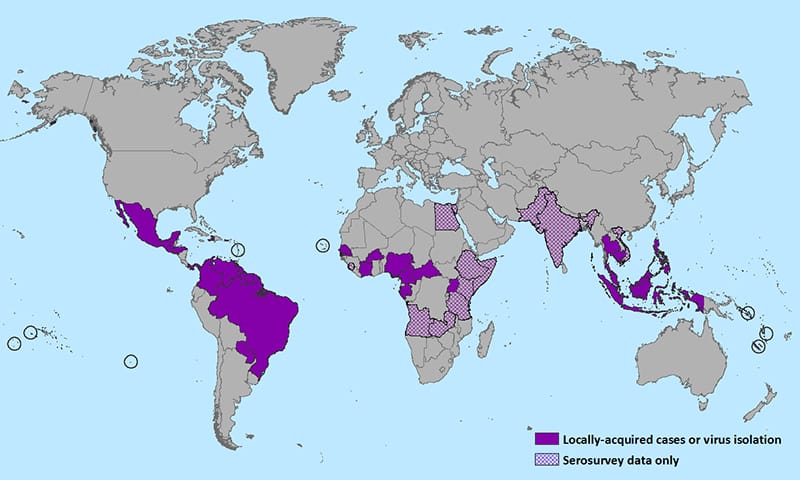
Zika has already infected people in more than 20 countries in Central and South America and the Caribbean. What are the symptoms? How do we stop it? Should we be afraid of it? You will find everything you need to know about Zika if you just keep reading....
#8 How It Spread
How did a disease once so rare now reach pandemonic levels? Prior to 2007, there had been merely 14 documented Zika cases. But then the first big outbreak erupted on Yap island in Micronesia, with 49 confirmed cases. And from there, the virus was on the move.
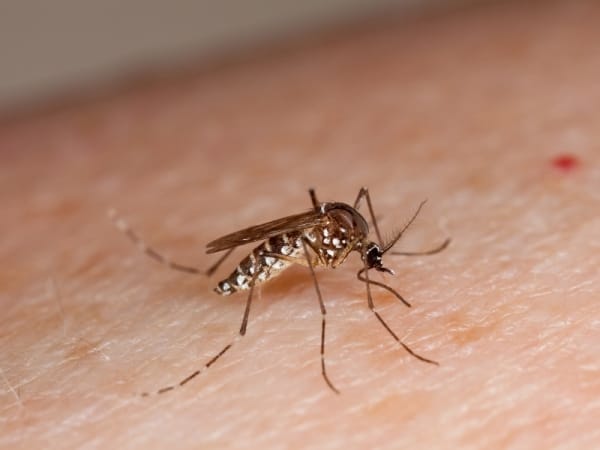
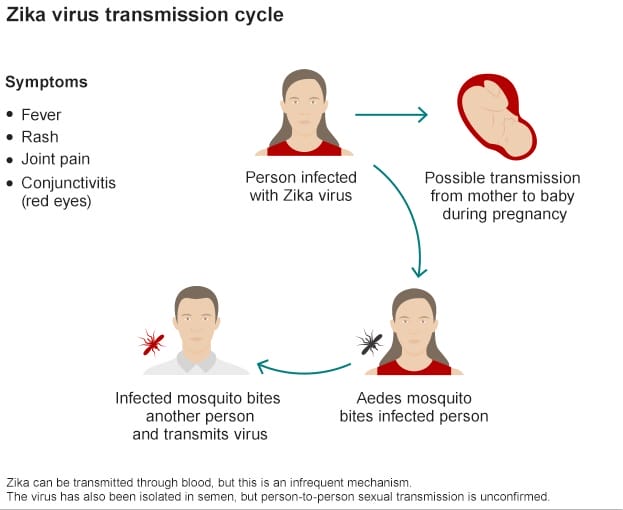
By May 2015, health officials had detected the virus in Brazil — possibly arriving with a traveller to the World Cup. Within a year, more than a million people in Brazil had been affected, as mosquitoes carried it from person to person as they do diseases like malaria and yellow fever. Zika itself is mainly carried by a specific type of mosquito called Aedes aegypti, which spreads the disease through bites.
#7 The Symptoms
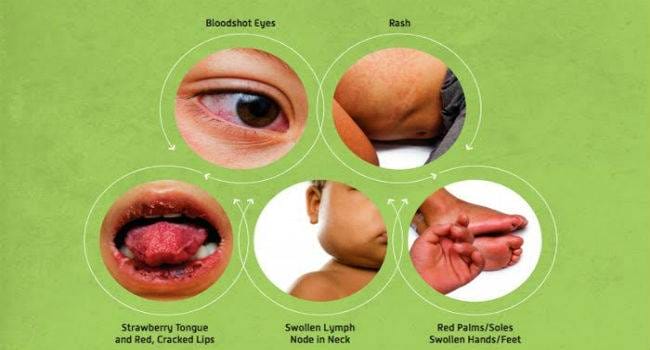
The most common symptoms of Zika are fever, rash, joint pain, or conjunctivitis (red eyes). Other common symptoms include muscle pain and headache. The incubation period (the time from exposure to symptoms) for Zika virus disease is not known, but is likely to be a few days to a week.
Zika virus usually remains in the blood of an infected person for about a week but it can be found longer in some people.The symptoms of Zika are similar to those of dengue and chikungunya, diseases spread through the same mosquitoes that transmit Zika.
#6 Mother-To-Child
In 2015, Zika virus RNA was detected in the amniotic fluid of two fetuses, indicating that it had crossed the placenta and could cause a mother-to-child infection. The difficulty with Zika is that many people who get the virus are never diagnosed - yet it might still potentially damage fetuses.
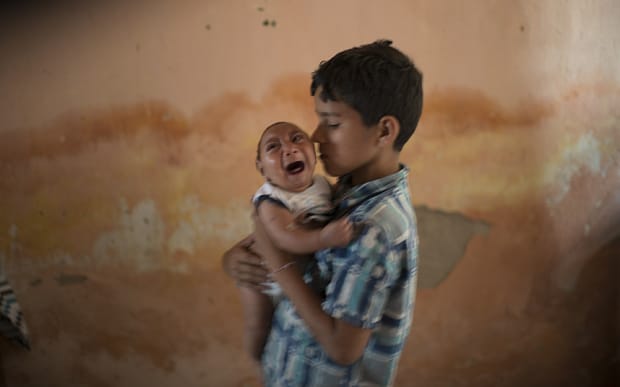
In some places in Latin America, women are being told to avoid having children for months or even years because of Zika. There is a possible link between Zika fever and microcephaly in newborn babies by mother-to-child transmission.
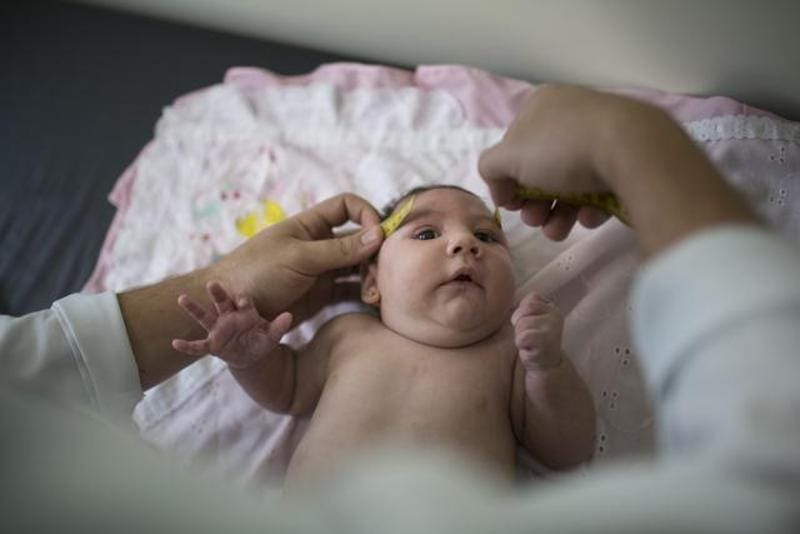
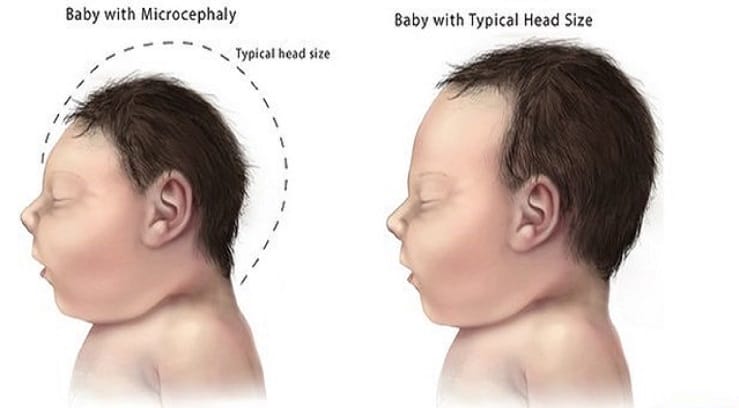
#5 Microcephaly
Microcephaly (my-kroh-SEF-uh-lee) is a rare neurological condition in which an infant's head is significantly smaller than the heads of other children of the same age and sex. Sometimes detected at birth, microcephaly usually is the result of the brain developing abnormally in the womb or not growing as it should after birth.
Generally there's no treatment for microcephaly, but early intervention with supportive therapies, such as speech and occupational therapies, may help enhance your child's development and improve quality of life.
#4 Transmission
Mosquitoes may not be the only way to spread Zika. There have been three cases in the medical literature that suggest Zika can be sexually transmitted.
In one case, a man who traveled to Senegal in 2008 and contracted Zika gave it to his wife through intercourse after he returned home to Colorado. In another, Zika was isolated from semen.
Researchers aren't sure how long Zika can remain in semen. And it's not clear how common sexual transmission actually is.
#3 Detection
See your healthcare provider if you develop symptoms (fever, rash, joint pain, red eyes). If you have recently traveled, tell your healthcare provider. Zika virus infection are diagnosed by typical clinical symptoms after mosquito bite in an endemic area.
The infection is confirmed by specific serological tests for zika virus immunoglobulins (IgG and IgM), which may need to be repeated 2–3 weeks later. New Zealand samples are tested at a Australian Arbovirus Reference laboratory. There is some cross-reactivity with tests for dengue viruses.
#2 Treatment
There is no specific treatment available against zika virus infection. The virus is usually self-limiting and resolves with supportive therapy.
Paracetamol (acetaminophen) may be used to treat patients with fever. Aspirin and nonsteroidal anti-inflammatory drugs (NSAIDs) are not recommended. Drink plenty of fluids, and take rest.
People with zika virus infection or who have recently had zika virus infection should not donate blood, as the virus could be transmitted to a recipient. They must also be careful to avoid mosquito bites to reduce spreading the disease to others.

#1 Prevention
The best way to fight against any disease is to take steps to prevent it. When traveling to countries where Zika virus or other viruses spread by mosquitoes are found, take the following steps:
1. Wear long-sleeved shirts and long pants.
2. Stay in places with air conditioning or that use window and door screens to keep mosquitoes outside.
3. Sleep under a mosquito bed net if you are overseas or outside and are not able to protect yourself from mosquito bites.
4. Use Environmental Protection Agency (EPA)-registered insect repellents. When used as directed, EPA-registered insect repellents are proven safe and effective, even for pregnant and breast-feeding women.
During the first week of infection, Zika virus can be found in the blood and passed from an infected person to another mosquito through mosquito bites. An infected mosquito can then spread the virus to other people.To help prevent others from getting sick, avoid mosquito bites during the first week of illness. Share this story and help fight this worldwide emergency.