Gladiator Blood
Yes, as weird as it may seem, gladiator blood was prescribed by the Roman physicians to aid various ailments, including epilepsy and infertility.

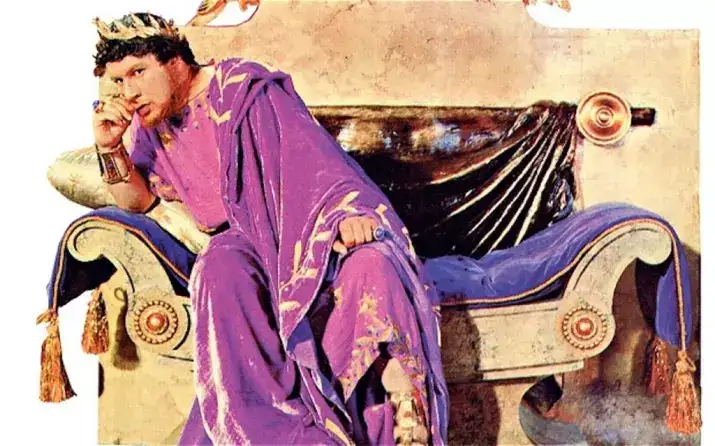
Purple Clothing
The purple colour of clothing was fixed for emperors or senators. No one else could dress in this colour as it was punishable by law
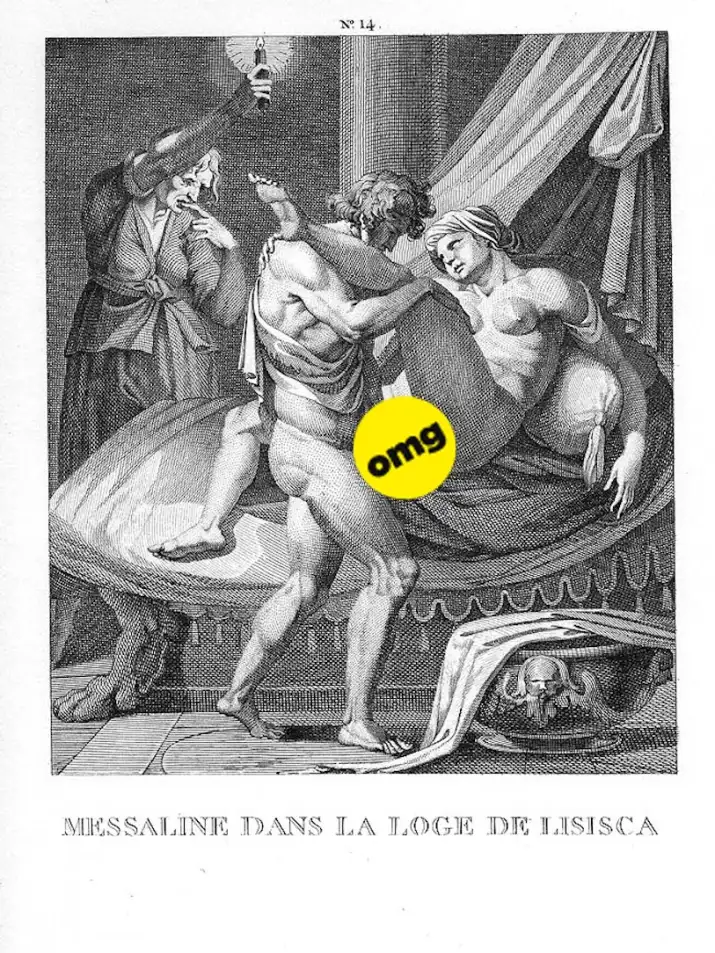
Valeria Messalina
Valeria Messalina, who was the third wife of Emperor Claudius was nymphomaniac. Legends has it that she once competed with a prostitute to see who could have the most sexual partners in a night
Phallus Charms
Phalluses were considered a good luck charms and hence were worn in necklaces or hung on the window pane to ward off evil spirits.

Left-Handed People
Left-handed people were considered to be unlucky!
Cross Dressing
Emperor Caligula often appeared in public dressed in women’s clothing.

The Obsession With Horses
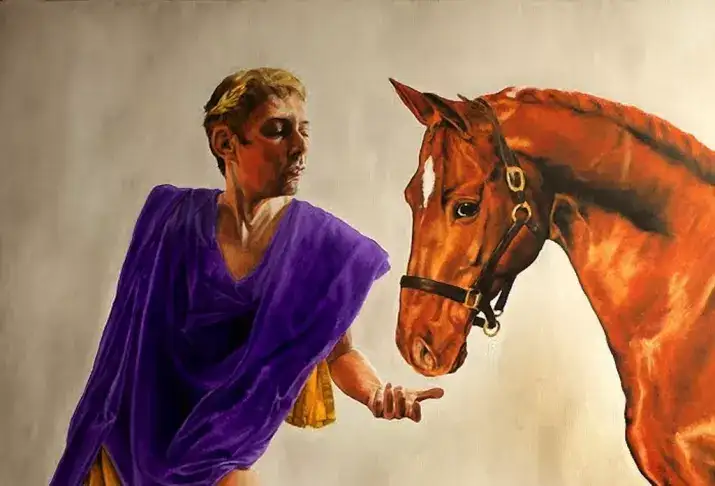
Caligula's favourite horse who was named Incitatus lived in a stable made of marble. He lived there with an ivory manger. What's more bizarre is the fact that Caligula also tried to make him a consul that is the highest elected office of the Roman Republic and the most important job in the government.
Vulgarity in Poems
The poet Gaius Valerius Catullus addressed two of his critics, another poet Furius and senator Aurelius in a poem in the 1st Century BC. The content of the poem was so obscene that it was not translated out of Latin until the 20th century.

Cannibalism?
Romans thought the early Christians were practising cannibalism when they heard about them eating bread and wine as symbolic representations of the body and blood of Christ.

The Public Toilets
In the Ancient Rome, people used to socialize in the public toilets. There were as many as 140 public toilets in Rome.

Extravagance
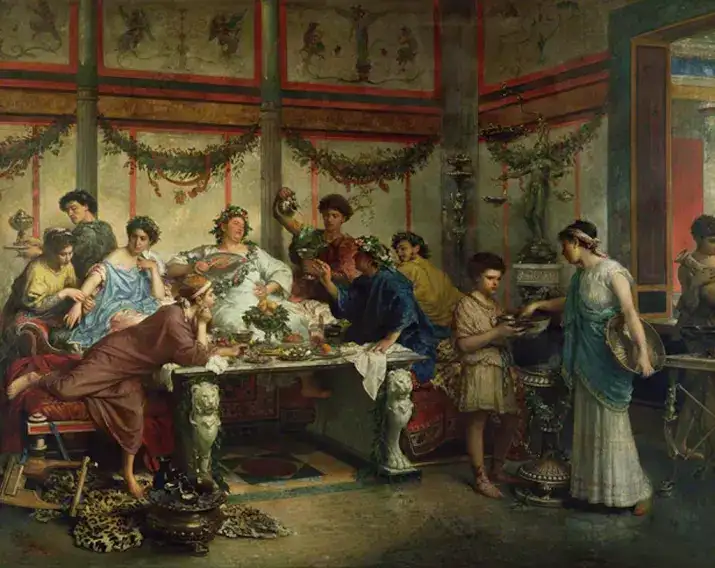
Roman parties were immensely extravagant. They ate and drank immensely. And to eat more, they would induce vomiting! Weird!
Hair Dye
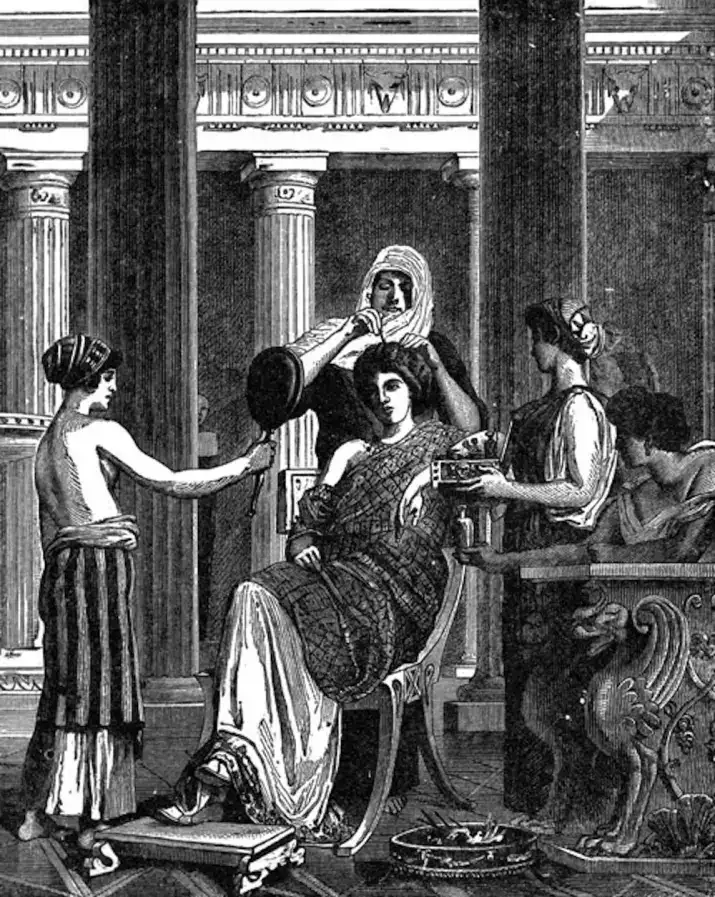
Hair dyeing was common in woman. The most popular colours were red and blonde. The dye colours were achieved through different ingredients, like goat fat, beech wood ashes, henna, saffron, and bleach.
No Soaps
While they were immensely hygienic, they did not use soap. Instead of the soap, they would apply perfumed oils to their skin and then scrape it off with a tool known as a strigil.

Togas and Stolas
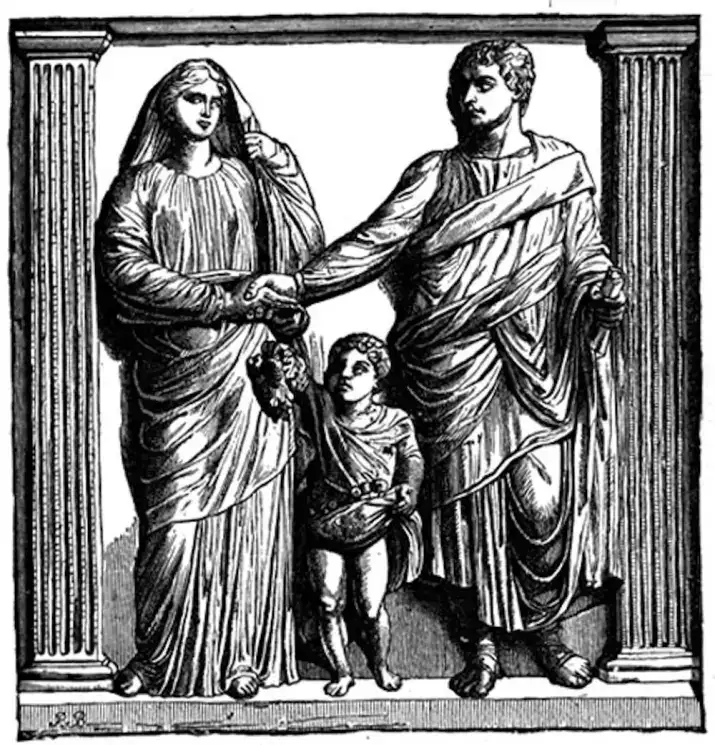
Not everyone wore togas. Only free-born Roman men as a were allowed to wear togas, while Roman women wore stolas. These articles of clothing were sign of Roman citizenship
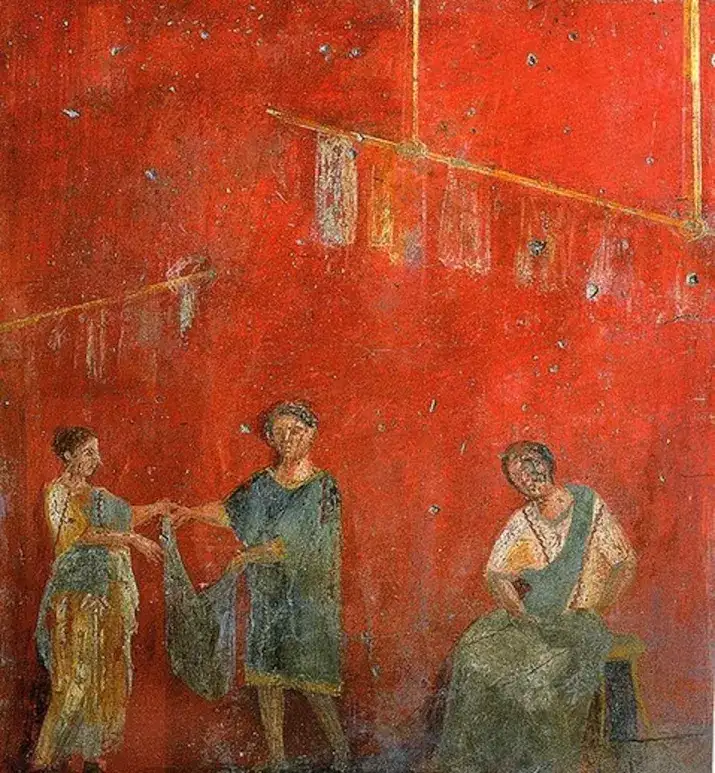
Cloth-Cleanser
Urine was used for cleaning clothes as it contained ammonia. So, it was collected from across the city! Really Gross.